
Commercial Concrete Foundations in Springfield, MO: What to Know Before You Build
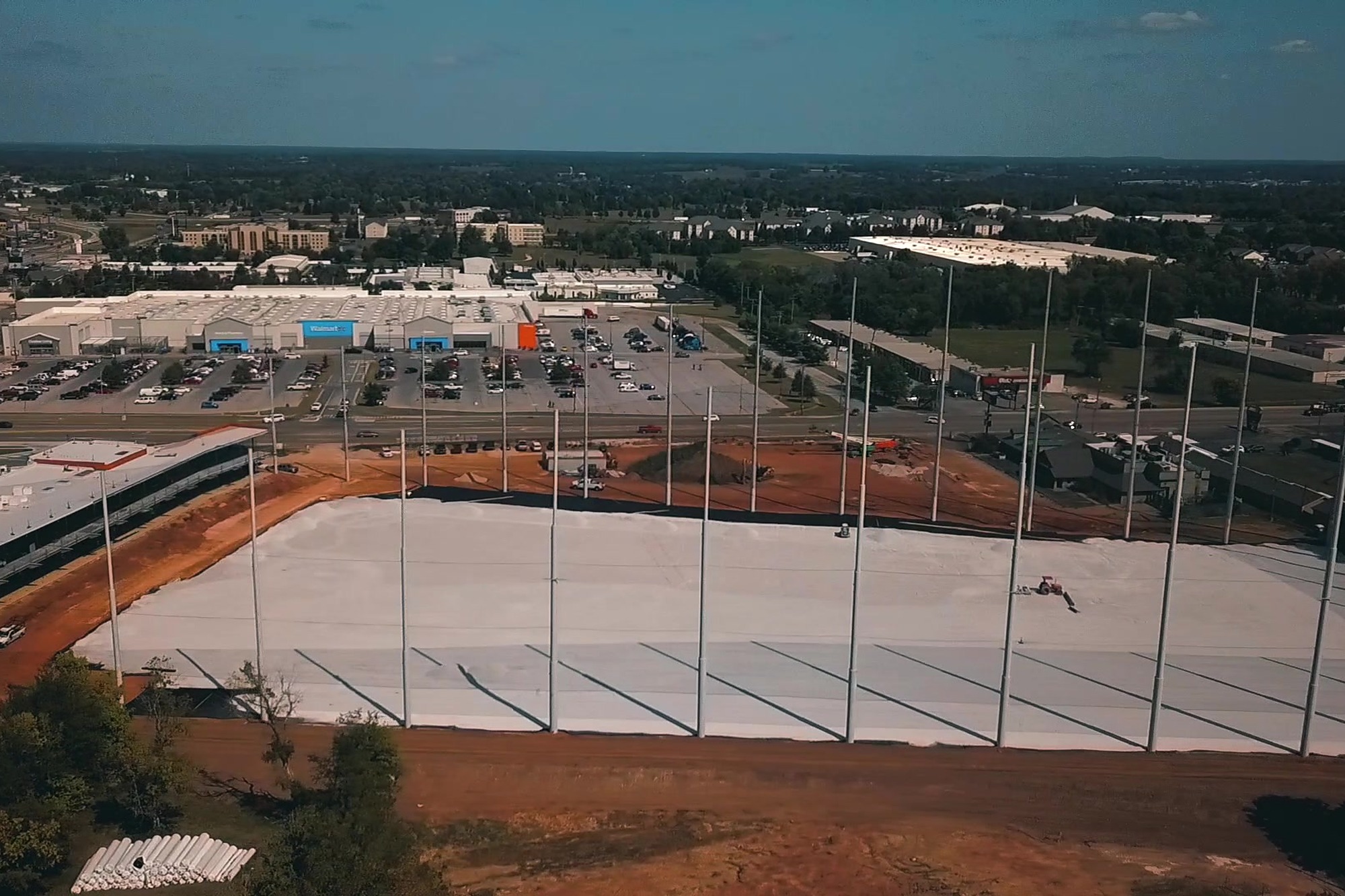
If you're planning a new warehouse, retail space, or commercial building in Springfield, there's a lot to think about. Floor plans. Permits. Financing. Finishes.
But none of it matters much if the slab underneath isn't right. So what actually goes into a good commercial concrete foundation, and how do you pick the right contractor to pour it? Short answer: it comes down to planning, site prep, and a crew that's done it a lot. Here's everything you need to know about commercial concrete foundations in Southwest Missouri.
Why the Foundation Is the Most Important Part of Your Build
Think about everything that sits on a foundation: walls, racking, equipment, forklifts, customers, and sometimes decades of daily traffic. Every other part of the building depends on it.
A foundation that's poured right is something you'll never think about again. A foundation that's poured wrong is something you'll think about constantly, usually while looking at a crack in the floor and a repair estimate.
That's why Meyer Construction's mission is simple: build exceptional foundations that are meant to last.
What Goes Into a Commercial Concrete Foundation?
Every project is different, but most commercial foundations follow the same basic path:
- Site evaluation and layout
- Excavation and grading
- Subgrade prep and compaction
- Forming and reinforcement
- The pour, finishing, and curing
Skip or rush any one of those, and the whole thing suffers.
Site Prep Matters More Than You Think
The concrete is only as good as the ground it sits on. Southwest Missouri is known for rocky, clay-heavy soil (ask anyone who's tried to dig a fence post here), so proper grading and compaction isn't optional. It's where good foundations start.
Reinforcement and Thickness
A slab for an office is not the same as a slab for a warehouse full of heavy racking. Thickness, reinforcement, and joint layout should match how the building will actually be used. Your engineer's plans set the specs, and your concrete contractor's job is to build them exactly.
Common Types of Commercial Concrete Work
Foundations are the main event, but most commercial projects need more than a slab. Common pieces include:
- Footings and foundation walls
- Slab-on-grade floors
- Sidewalks and approaches
- Parking areas and drives
- Loading areas
The exact mix depends on your plans, so it's worth walking through the full scope with your contractor before the bid goes out.
What to Look for in a Commercial Concrete Contractor
Not every concrete crew is set up for commercial work. Before you sign anything, look for:
- Experience with projects like yours
- A local track record you can actually check
- Clear communication with your GC and engineer
- Realistic schedules (not just the fastest promise)
- Proper licensing and insurance
For example, ask to see past commercial work that's similar to your project in size and type, and ask how those jobs went.
A good contractor should be happy to show you their work.
How Weather Affects Concrete in Southwest Missouri
Missouri weather keeps things interesting. Hot summers, freezing winters, and a spring that can't make up its mind all affect how concrete cures.
In cold months, crews may need blankets, heated enclosures, or adjusted mixes to keep fresh concrete from freezing. In the heat, the goal is slowing things down so the surface doesn't dry too fast and crack. An experienced local crew plans for this instead of hoping for the best.
How Long Does a Commercial Foundation Take?
It depends on size, site conditions, inspections, and weather. A small slab might take days, while a large commercial foundation can take weeks.
The best way to get a real answer is to get a real bid based on your plans.
Slab-on-Grade vs. Footings and Stem Walls: What's the Difference?
When people say "foundation," they can mean a few different things. The two you'll hear about most on commercial jobs are slab-on-grade and footings with foundation (stem) walls. Your engineer decides which one your building needs, but it helps to know what each one does.
Slab-on-Grade
A slab-on-grade is exactly what it sounds like: a concrete slab poured directly on prepared ground. The edges are usually thickened to carry the walls, and the middle of the slab becomes your floor.
Slab-on-grade foundations are common for:
- Warehouses and distribution buildings
- Retail spaces
- Single-story offices
- Shops and light industrial buildings
The big advantage is efficiency. You get your foundation and your floor in one system, which can save time and money on the right project.
Footings and Foundation Walls
Footings are wide concrete pads or strips that spread the building's weight into the soil. Foundation walls sit on top of those footings and rise to support the structure above.
This approach is common when a site slopes, when a building needs a crawl space or lower level, or when loads are concentrated in specific spots (think heavy columns). It takes more steps than a slab, but it gives designers more flexibility.
Which One Is Right for Your Project?
Honestly, that's not a guess anyone should make from a blog post. It depends on your soil, your site, your building's loads, and local code. The right answer comes from your engineer's plans and a contractor who builds them to spec.
What you can do is ask good questions early so there are no surprises later.
Questions to Ask Before You Request a Bid
A good bid starts with good information. Before you reach out to a concrete contractor, try to have answers (or at least a starting point) for these:
- Do you have stamped plans or engineering drawings?
- Has a soils or geotechnical report been done?
- What's the square footage of the slab or building?
- What will the floor be used for (storage, heavy equipment, retail traffic)?
- Is there a general contractor on the project?
- What's your target start date?
You don't need every answer on day one. But the more a contractor knows, the more accurate your bid will be, and the fewer change orders you'll see down the road.
Understanding Your Concrete Bid
Concrete bids can look a little overwhelming at first glance. Here's what usually drives the number:
Size and Thickness
More square footage and thicker slabs mean more concrete. Simple math, but it's the biggest factor on most jobs.
Site Conditions
A flat, easy-to-reach site costs less to prep than a sloped lot full of rock. Southwest Missouri has plenty of both.
Reinforcement
Rebar, wire mesh, or fiber reinforcement all add material and labor. The specs come from the plans.
Finishing and Extras
Floor finishes, sealers, joints, and any extra flatwork (sidewalks, approaches, drives) all show up on the bid.
If two bids look very different, line them up side by side and compare these items one at a time.
Here's a tip that applies to almost every trade: the lowest bid isn't always the cheapest job. If one number comes in way under the others, ask what's missing. Thin slabs, skipped compaction, or rushed curing can cost a lot more to fix later than they saved up front.
Why Cracks Happen (and What Contractors Do About It)
Let's be honest about something. Concrete cracks. Almost all of it, eventually. The goal is to control where and how much.
Concrete shrinks a little as it cures and moves with temperature changes. Without a plan, it cracks wherever it wants. With a plan, most of that movement happens at control joints, which are intentional lines cut or formed into the slab.
Good crack control usually comes down to:
- Solid, well-compacted subgrade
- The right reinforcement for the load
- Properly spaced control joints
- Careful finishing
- Proper curing so the slab doesn't dry too fast
A hairline crack in a control joint is normal. A slab that's heaving or breaking apart is not. That difference usually comes back to how the job was built.
Working With Your General Contractor
On most commercial projects, the concrete contractor is one piece of a bigger team. The GC, the engineer, the inspector, and other trades all need to stay on the same page.
That means a good concrete contractor should:
- Coordinate pour dates with the GC's schedule
- Plan around plumbing and electrical that goes under the slab
- Be ready for inspections before the pour
- Communicate quickly when weather or site conditions change
Think about it this way. If the plumber hasn't finished the under-slab rough-in, nobody's pouring concrete. The best concrete crews keep the whole project moving, not just their part of it.
How to Protect Your Foundation After the Pour
The crew packs up, the slab looks great, and the rest of the building starts going up. But the first few weeks still matter a lot.
Concrete keeps gaining strength well after it's poured. Most mixes are designed to hit their rated strength around 28 days, which is why curing and early loading matter. A few things help protect a new commercial slab:
- Keep heavy equipment off until the slab is ready for it
- Follow curing instructions (moisture and temperature both matter)
- Don't let other trades drag pallets or equipment across fresh finishes
- Protect the slab from freezing in cold months
Patience in week one can prevent problems in year ten.
Long-Term Maintenance
Once the building's open, concrete doesn't need much. Keeping joints sealed, fixing drainage issues near the building, and dealing with small cracks early all help a commercial floor last for decades.
Local Experience Matters
There's a reason local experience comes up again and again. A crew that's poured concrete in Springfield for years knows the soil, the weather swings, the inspectors, and the suppliers.
For example, a contractor who knows how Southwest Missouri clay behaves after a wet spring is going to prep a site differently than someone who's never dug here. That kind of knowledge doesn't show up on a bid, but it shows up in the finished slab.
Build It Right the First Time
A commercial foundation is a one-shot deal. Getting the site prep, reinforcement, and finishing right the first time saves you money, headaches, and repairs for years.
Meyer Construction has been building and supporting the Southwest Missouri community for over 25 years, with a reputation built on quality service and efficient work. From site prep to the final finish, the team builds foundations that are meant to last.
Ready to break ground? Request a bid from Meyer Construction today by calling (417) 889-5104 or emailing travis@meyerconstructionco.com, and let's build something that lasts!


