How Proper Drainage Design Extends the Lifespan of Commercial Concrete in Springfield
How Proper Drainage Design Extends the Lifespan of Commercial Concrete in Springfield, Missouri
For commercial property owners and developers, concrete is often viewed as a long term, low maintenance investment. Parking lots, loading areas, and foundations are expected to perform for decades under heavy use. However, one critical factor determines whether concrete reaches its full lifespan or begins to fail prematurely. That factor is drainage.
Water is one of the most destructive forces acting on concrete surfaces. Without proper drainage design, even well installed concrete can crack, settle, and deteriorate far earlier than expected. In regions like Springfield, Missouri, where seasonal rainfall and clay-heavy soils create additional challenges, drainage becomes even more important.
For property owners working with experienced contractors such as Meyer Construction, understanding how drainage impacts concrete performance can lead to better decisions during both construction and long term maintenance planning.
Why Water Is a Serious Threat to Concrete
Concrete itself is durable, but it is not waterproof. Over time, water infiltrates through joints, surface pores, and small cracks. Once moisture reaches the subbase, it begins to compromise the support structure beneath the slab.
This process leads to several common forms of damage:
- Subbase weakening that causes slabs to settle or shift
- Freeze thaw expansion that widens cracks
- Erosion of base materials that creates voids beneath the surface
For commercial properties with consistent vehicle traffic, these issues develop quickly once drainage problems are present.
Common Signs of Poor Drainage in Commercial Concrete
Drainage issues are not always obvious during initial construction, but they tend to reveal themselves over time. Property owners and managers should watch for several key indicators:
- Standing water that remains long after rainfall
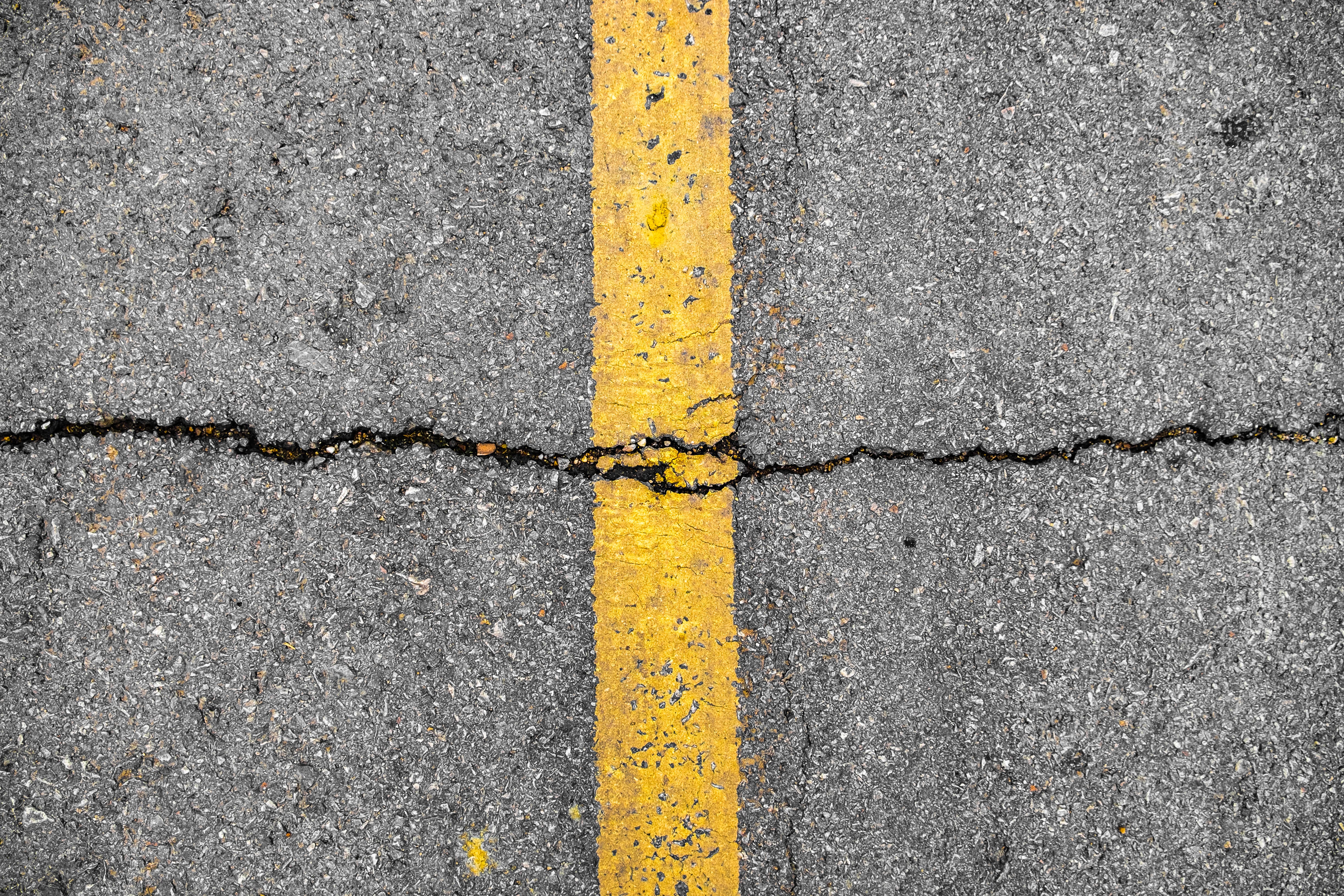
- Cracking that appears in clusters or spreads across sections
- Erosion along slab edges or near drainage points
- Water pooling near entrances, loading zones, or pedestrian areas
When these issues appear together, they typically point to underlying drainage design problems rather than isolated surface defects.
The Role of Grading and Slope Design
One of the most important elements of effective drainage is proper grading. Concrete surfaces must be designed with intentional slopes that guide water toward designated drainage areas.
Even slight variations in slope can significantly impact performance. A surface that appears level to the eye may still allow water to collect if grading is not carefully calculated.
For commercial projects, grading design typically focuses on:
- Directing water toward drains, curbs, or runoff zones
- Preventing water from pooling in high traffic areas
- Maintaining safe and accessible transitions for vehicles and pedestrians
Improper grading is one of the most common causes of drainage failure. Once concrete is installed, correcting slope issues often requires partial or full replacement, making it essential to get it right during the initial construction phase.
Why the Subbase Matters as Much as the Surface
While surface design is important, the performance of commercial concrete depends heavily on what lies beneath it. The subbase acts as the foundation that supports the slab and distributes loads.
A well prepared subbase must achieve several goals:
- Provide consistent structural support across the entire slab
- Allow controlled drainage of moisture
- Resist shifting under heavy commercial loads
In areas with clay-heavy soil, such as Springfield, the subbase becomes even more critical. Clay tends to retain water and expand when wet, then shrink when dry. This cycle creates movement beneath the concrete, increasing the risk of cracking and uneven settlement.
Experienced contractors account for these conditions by selecting appropriate base materials, ensuring proper compaction, and in some cases incorporating additional stabilization methods.
Drainage Solutions for Commercial Parking Lots
Parking lots present unique drainage challenges due to their size, traffic patterns, and exposure to the elements. Effective drainage design must balance performance with usability.
Common drainage solutions include:
- Surface grading to direct water flow efficiently
- Catch basins and inlets to collect and redirect runoff
- Trench drains in high flow or high traffic areas
- Curbs and channels to control water movement and prevent erosion
In larger developments, these systems may connect to broader stormwater management infrastructure designed to handle significant runoff volumes.
When properly designed and installed, these elements work together to protect both the concrete surface and the surrounding property.
Drainage Considerations for Foundations
While parking lots deal with surface water, foundations face a different set of drainage challenges. The goal is not only to remove water but also to prevent it from accumulating around the structure.
Poor drainage around a foundation can lead to:
- Moisture intrusion into the building
- Soil expansion and contraction that affects stability
- Long term structural damage
To prevent these issues, foundation drainage strategies often include:
- Grading that directs water away from the structure
- Perimeter drainage systems to manage groundwater
- Proper integration with surrounding hard surfaces
For commercial properties, these systems are essential for maintaining structural integrity and avoiding costly repairs over time.
Springfield Specific Challenges That Impact Drainage
Local conditions play a significant role in how drainage systems perform. In Springfield, Missouri, several factors make proper drainage design especially important:
- Seasonal rainfall with occasional heavy storms
- Clay-heavy soils that retain moisture and expand
- Temperature fluctuations that contribute to freeze thaw cycles
These conditions increase the risk of:
- Subbase movement
- Cracking and slab shifting
- Accelerated surface deterioration
For property owners in Springfield, working with contractors who understand these local conditions is critical. Proper design must account for both typical weather patterns and extreme events.
Long Term Cost Benefits of Proper Drainage
Investing in proper drainage design during construction may increase upfront costs slightly, but it significantly reduces long term expenses.
Key long term benefits include:
- Reduced frequency of repairs and maintenance
- Lower risk of liability from surface hazards
- Extended lifespan of concrete installations
- Improved overall property value
In contrast, poor drainage often leads to recurring issues such as cracking, erosion, and standing water. Over time, these problems require repeated repairs that can exceed the initial investment required for proper design.
How Meyer Construction Approaches Drainage Design
Experienced commercial contractors understand that drainage is not a secondary consideration. It is a core part of the construction process.
Meyer Construction evaluates each project based on:
- Site grading and elevation changes
- Soil composition and drainage characteristics
- Intended use and traffic patterns
- Long term performance expectations
By integrating drainage planning into every stage of construction, from site preparation to final finishing, they help ensure that commercial concrete surfaces perform as intended.
Planning Ahead for Durable Commercial Concrete
For property owners and developers, the key takeaway is clear. Concrete performance is not determined solely by the material itself. It is heavily influenced by how water is managed across the site.
A successful project requires coordination between:
- Proper grading design
- High quality subbase preparation
- Effective drainage systems
- Experienced installation practices
Addressing these elements early prevents costly problems later and supports long term durability.
Final Thoughts
Drainage is one of the most important, yet often overlooked, factors in commercial concrete performance. Without proper water management, even high quality installations can fail prematurely.
In Springfield, Missouri, where rainfall patterns and soil conditions add complexity, drainage design becomes even more critical.
For property owners, developers, and managers, investing in proper drainage is not just about preventing damage. It is about protecting long term value, reducing maintenance costs, and ensuring that concrete surfaces perform reliably for years to come.
Working with experienced contractors such as Meyer Construction provides the expertise needed to design and build concrete systems that withstand both environmental conditions and heavy commercial use.

.jpg)