What Happens Below the Surface? Why Site Preparation Determines Concrete Performance.
What Happens Below the Surface? Why Site Preparation Determines Concrete Performance.
When people think about concrete construction, they typically focus on the finished product. Smooth parking lots, durable sidewalks, warehouse floors, and loading areas often receive the most attention because they are the visible result of a completed project.
What many property owners do not realize is that some of the most important work happens long before the first truck arrives with concrete.
The strength, durability, and longevity of a concrete surface are heavily influenced by what lies beneath it. Proper site preparation creates the foundation that allows concrete to perform as intended for years or even decades. When site preparation is rushed or overlooked, even high-quality concrete can experience premature cracking, settlement, and structural issues.
Understanding what happens below the surface can help property owners appreciate why site preparation is one of the most critical stages of any commercial concrete project.
Concrete Is Only as Strong as Its Foundation
A common misconception is that thicker concrete automatically means better performance.
While thickness certainly matters, the underlying support system is equally important. Concrete relies on a stable, properly prepared base to distribute loads and resist movement.
If the soil beneath a concrete slab shifts, settles, or erodes, the concrete above it can develop problems regardless of how well the concrete itself was installed.
This is why experienced contractors devote significant attention to preparing the site before pouring begins.
The First Step: Site Evaluation
Every successful project starts with understanding existing site conditions.
Before excavation begins, contractors evaluate factors such as:
- Soil composition
- Drainage patterns
- Elevation changes
- Existing structures
- Traffic requirements
- Intended use of the concrete
A warehouse truck court requires different preparation than a sidewalk or patio. Understanding how the finished surface will be used helps determine the proper design and preparation methods.
This evaluation stage often uncovers challenges that must be addressed before construction can move forward.
Excavation Creates the Framework
Once site conditions are understood, excavation begins.
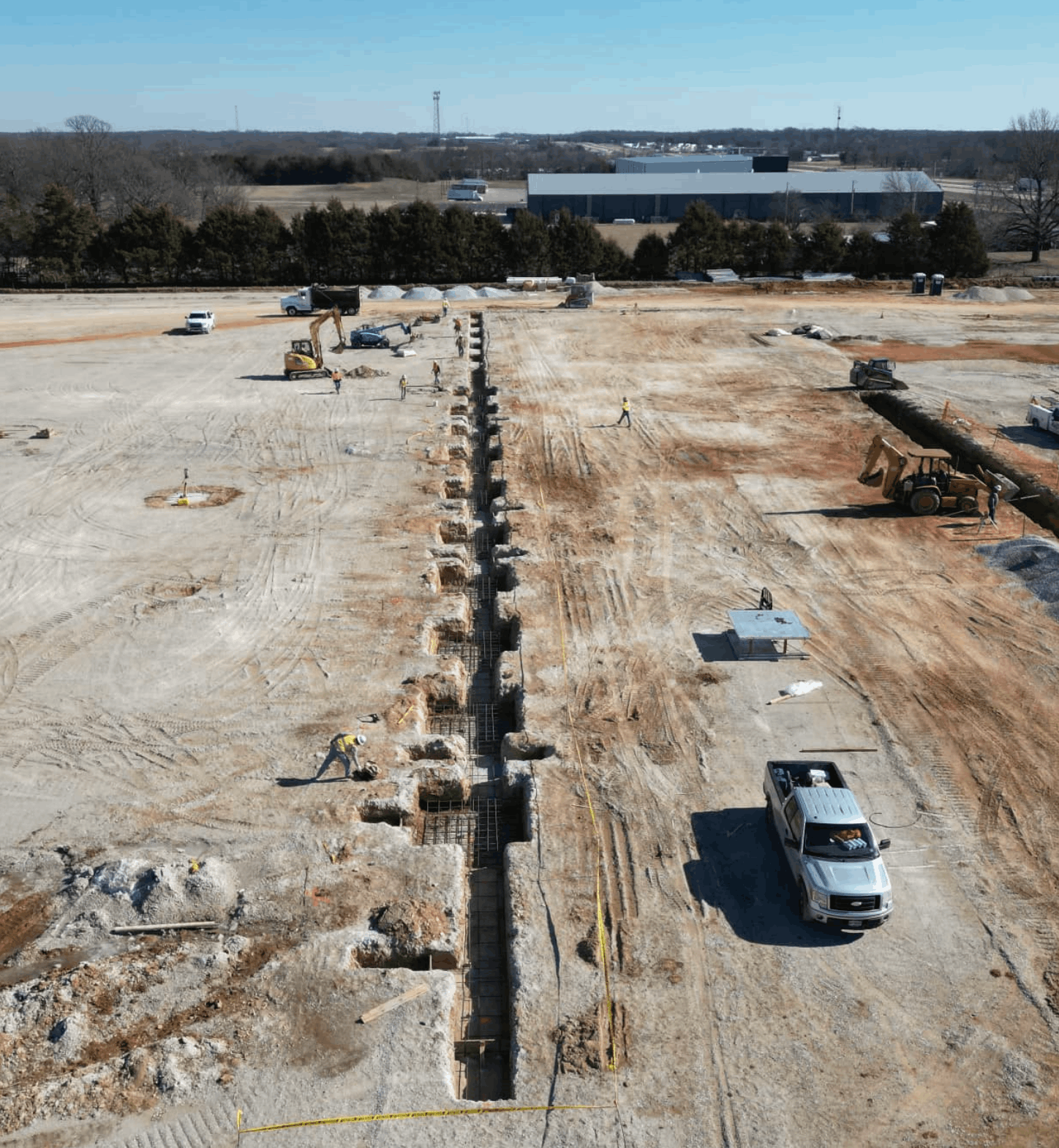
Excavation removes unsuitable materials and establishes the proper depth needed for the concrete and supporting base layers.
This process may involve removing:
- Topsoil
- Organic materials
- Soft soils
- Debris
- Existing pavement
Organic materials can decompose over time, creating voids beneath concrete surfaces. Removing unstable materials helps create a more reliable foundation.
Proper excavation also helps establish final elevations and supports effective drainage throughout the site.
Why Soil Quality Matters
Not all soil performs the same way under load.
Some soils provide excellent support, while others are more susceptible to expansion, contraction, or settlement.
Clay-rich soils, for example, can expand significantly when wet and shrink during dry conditions. These movements place stress on concrete and can contribute to cracking over time.
Understanding soil behavior allows contractors to make adjustments that improve long-term performance.
In some situations, unsuitable soils may need to be removed and replaced entirely to provide adequate support.
The Importance of Compaction
Compaction is one of the most critical yet least visible aspects of site preparation.
After excavation, soil and aggregate materials must be compacted to achieve the density needed for long-term stability.
Compaction reduces air pockets and increases the load-bearing capacity of the ground.
Without proper compaction, soil may continue settling after construction is complete. As the ground moves, the concrete above can crack, sink, or become uneven.
Professional contractors use specialized equipment and testing methods to verify that compaction requirements have been achieved.
Building a Stable Base
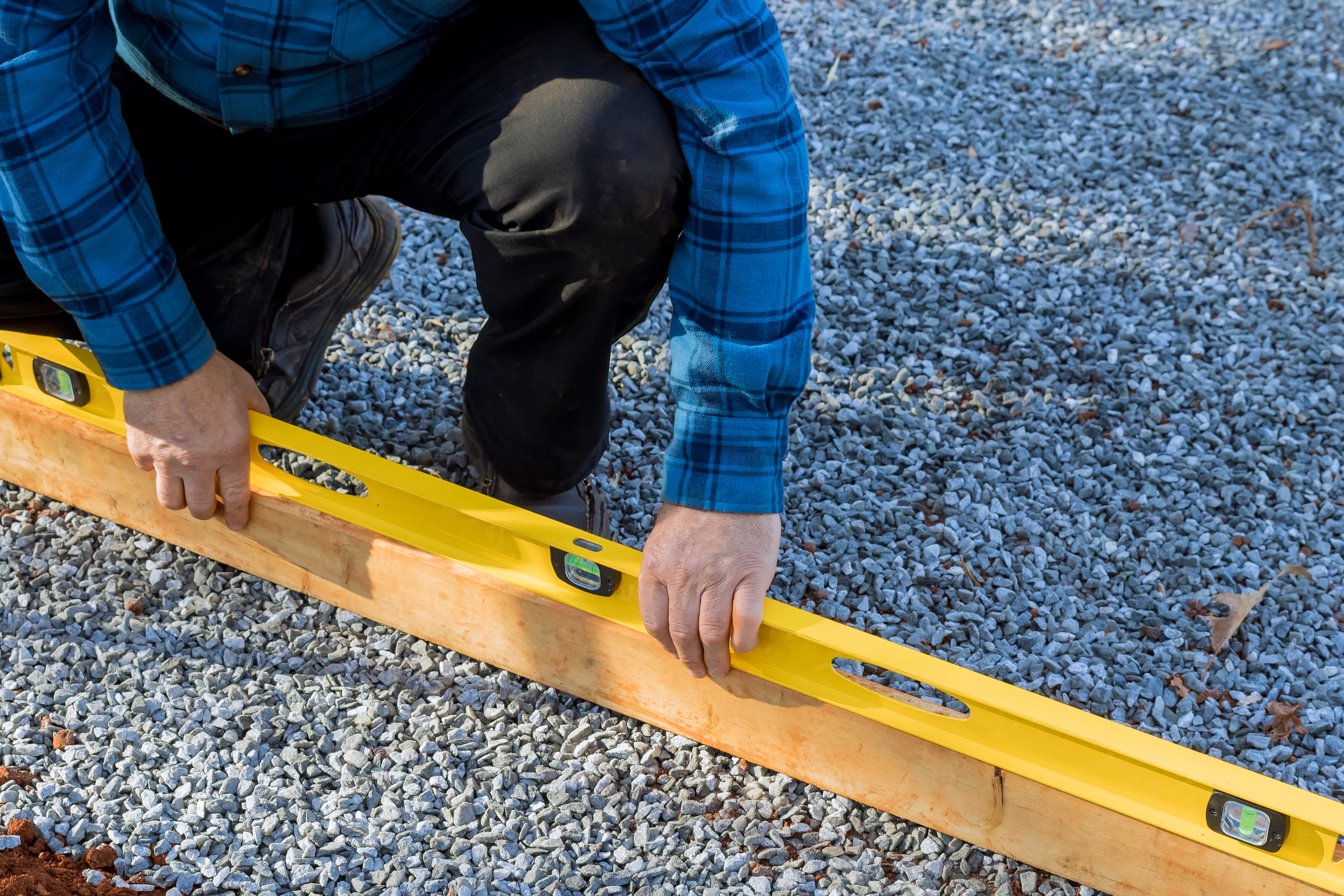
Once the subgrade is prepared, a base layer is often installed.
This layer typically consists of crushed stone or aggregate material designed to provide:
- Structural support
- Load distribution
- Drainage
- Stability
The base acts as a transition between the soil and the concrete itself.
A properly constructed base helps reduce stress concentrations and minimizes the effects of minor ground movement.
For commercial projects that experience heavy traffic, base construction becomes even more important.
Drainage Begins Before Concrete Is Poured
Many people think drainage is something that happens after construction is complete.
In reality, drainage planning starts during site preparation.
Water that becomes trapped beneath concrete can weaken supporting soils and contribute to settlement.
Contractors carefully design grades and elevations to encourage water movement away from structures and pavement areas.
Effective drainage planning helps protect both the concrete and the supporting base materials below.
Grade Accuracy Matters
Precise grading plays a major role in project success.
Improper grading can create:
- Standing water
- Uneven surfaces
- Drainage failures
- Settlement concerns
Professional grading ensures that concrete surfaces achieve the proper slope and elevation while maintaining accessibility and functionality.
Even small grading errors can lead to long-term maintenance challenges.
Accommodating Heavy Loads
Commercial concrete projects often support substantial loads.
Delivery trucks, forklifts, industrial equipment, and daily traffic place tremendous pressure on concrete surfaces.
Site preparation must account for these demands.
Areas expected to carry heavier loads may require:
- Additional excavation
- Stronger base materials
- Increased compaction
- Specialized design considerations
Failing to prepare for anticipated loads can significantly reduce the lifespan of a concrete installation.
Preventing Future Problems
Many of the most expensive concrete failures can be traced back to inadequate site preparation.
Common issues include:
- Settlement
- Cracking
- Surface movement
- Drainage problems
- Structural instability
While repairs can often address symptoms, correcting underlying site deficiencies is usually more complex and expensive.
Investing in proper preparation from the beginning helps avoid these challenges.
Quality Construction Starts Before the Pour
The concrete placement process often receives the most attention because it is highly visible and marks a major project milestone.
However, seasoned contractors understand that success is largely determined before concrete placement ever begins.
The excavation, grading, compaction, and base preparation work completed beforehand establishes the conditions necessary for long-term performance.
In many ways, site preparation is the hidden foundation of every successful concrete project.
Final Thoughts
When evaluating a commercial concrete project, it is easy to focus on the finished surface. Yet the durability and performance of that surface depend heavily on what happens below ground level.
Proper site preparation provides the stable foundation necessary for concrete to withstand traffic, weather, and years of use. Excavation, soil evaluation, compaction, drainage planning, and base construction all play critical roles in long-term success.
At Meyer Construction, we believe quality begins long before concrete is poured. By investing time and expertise into proper site preparation, we help ensure that every project is built to perform for years to come.
Summary: The long-term performance of concrete depends heavily on proper site preparation. Excavation, soil evaluation, compaction, grading, drainage planning, and base construction all create the stable foundation needed to prevent cracking, settlement, and premature deterioration. A well-prepared site leads to stronger, longer-lasting concrete.