
The Hidden Costs of Delaying Commercial Concrete Repairs
The Hidden Costs of Delaying Commercial Concrete Repairs
For many property owners and facility managers, concrete repairs often fall into the category of projects that can wait until next quarter, next season, or even next year. A small crack in a parking lot, a slightly uneven sidewalk, or a deteriorating joint may not seem urgent when compared to other operational priorities.
However, delaying concrete repairs can create a ripple effect that impacts far more than the damaged surface itself. What begins as a minor issue can gradually develop into a significant expense that affects safety, operations, property value, and long-term maintenance budgets.
Concrete is one of the most durable building materials available, but it is not immune to wear and deterioration. Understanding the hidden costs associated with postponing repairs can help property owners make more informed decisions and protect their investments for years to come.
Small Problems Rarely Stay Small
One of the biggest misconceptions about concrete damage is that it remains static over time. In reality, most concrete issues worsen when left unaddressed.
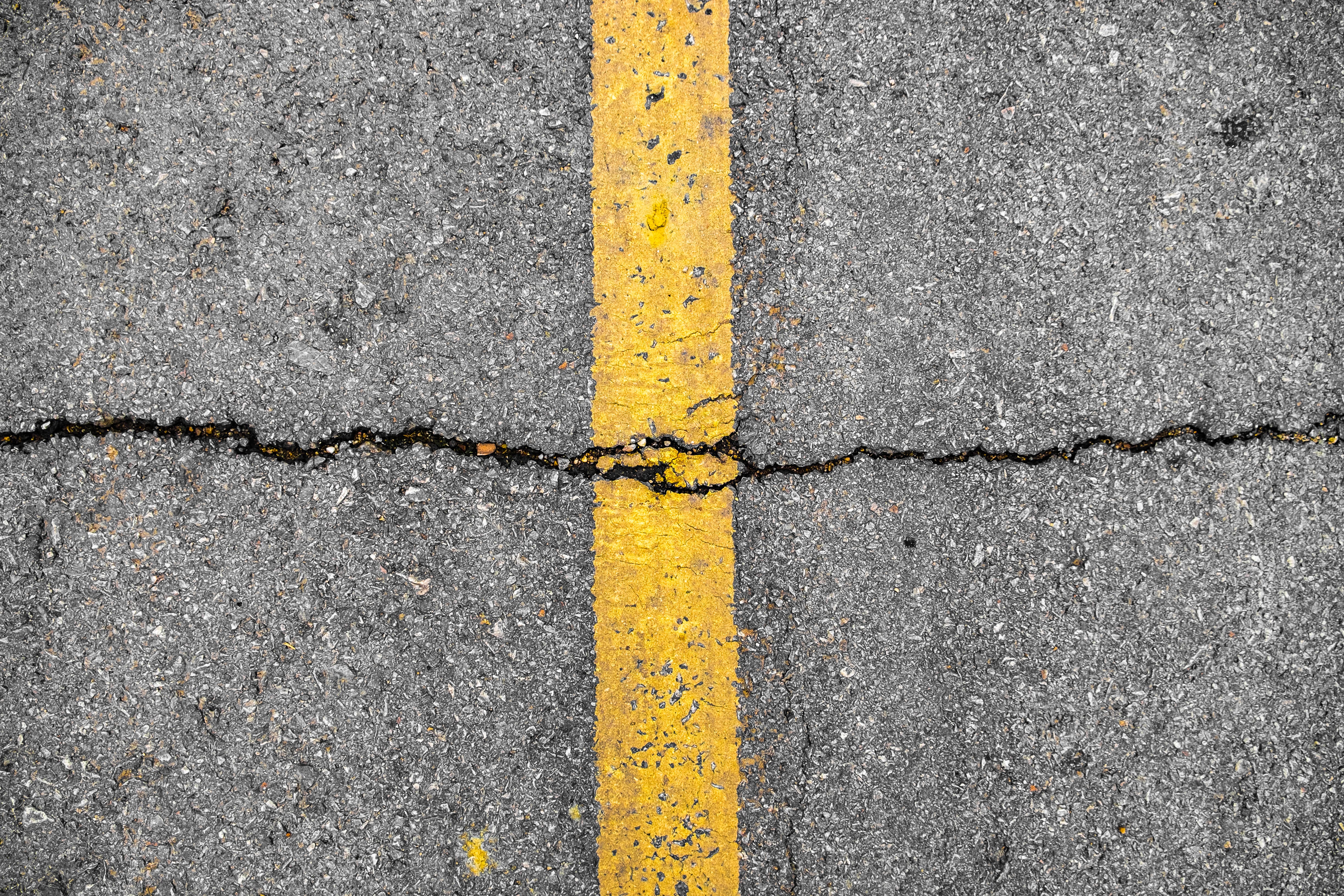
A hairline crack may appear harmless today, but that crack creates an entry point for moisture. Water can penetrate beneath the surface, affecting the soil and base materials that support the concrete. As conditions change through seasonal weather cycles, that seemingly minor crack can expand and lead to larger structural concerns.
The same principle applies to damaged joints, surface scaling, and minor settlement. Problems that could have been repaired quickly often become much more complicated when allowed to progress.
Repair Costs Increase Over Time
Perhaps the most obvious consequence of delaying repairs is the increased cost of addressing damage later.
Early intervention often involves relatively simple solutions such as crack sealing, joint repairs, or localized concrete replacement. These measures are designed to stop deterioration before it spreads.
When repairs are postponed, property owners may eventually face:
- Larger replacement areas
- Extensive demolition
- Subgrade stabilization
- Drainage corrections
- Full panel replacement
The difference in cost between a preventive repair and a major reconstruction project can be substantial.
Investing in timely maintenance is often one of the most cost-effective decisions a property owner can make.
Water Is Constantly Working Against Concrete
Water is one of the leading contributors to concrete deterioration.
Once water enters cracks or damaged joints, it can begin affecting the materials beneath the concrete. Saturated soils lose strength and may shift or settle over time.
During colder months, water that freezes within cracks expands and places additional stress on the surrounding concrete. This cycle can accelerate deterioration and cause cracks to widen.
Even in areas without severe winter weather, moisture infiltration can gradually weaken the supporting structure beneath concrete surfaces.
Addressing damage before water intrusion becomes significant helps preserve the integrity of the entire system.
Liability Risks Continue to Grow
Safety should always be a priority for commercial property owners.
Damaged concrete surfaces can create hazards for customers, employees, tenants, and visitors. Uneven sidewalks, deteriorating curbs, and settled pavement increase the likelihood of trips, falls, and other accidents.
Beyond the human impact, injuries occurring on commercial property can result in:
- Insurance claims
- Legal expenses
- Increased premiums
- Reputational damage
What may have started as a relatively minor repair project can ultimately become a much larger financial concern if safety issues are ignored.
Routine inspections and prompt repairs help reduce these risks while demonstrating a commitment to maintaining a safe environment.
Drainage Problems Become More Expensive
Many concrete issues are closely tied to drainage.
When cracks, settlement, or surface deterioration develop, water often begins collecting in areas where it was never intended to remain. Standing water can accelerate wear and create additional problems for nearby structures.
Over time, drainage issues may contribute to:
- Soil erosion
- Foundation concerns
- Pavement settlement
- Landscape damage
- Increased maintenance requirements
Correcting drainage problems is typically much easier when they are identified early. Once erosion or settlement becomes widespread, repairs often become more involved and costly.
Business Operations Can Be Disrupted
Commercial properties rely on accessibility and functionality.
Parking lots, loading areas, sidewalks, and access routes are essential to daily operations. When concrete deterioration reaches a point where major repairs are required, property owners may need to restrict access to portions of the site.
This can lead to:
- Reduced parking availability
- Traffic flow disruptions
- Inconvenient detours
- Scheduling challenges
- Operational inefficiencies
By addressing issues proactively, businesses can often schedule repairs strategically and minimize disruptions to customers and employees.
Property Appearance Matters
First impressions influence how people perceive a business.
Customers, tenants, and visitors often form opinions before they ever enter a building. Cracked sidewalks, deteriorated parking lots, and damaged concrete surfaces can create an impression that the property is not being properly maintained.
While appearance alone may not seem like a major concern, curb appeal plays an important role in:
- Customer confidence
- Tenant satisfaction
- Property value
- Professional image
Maintaining concrete surfaces helps preserve a positive appearance and demonstrates attention to detail.
Delayed Repairs Can Affect Property Value
Commercial real estate is a long-term investment, and deferred maintenance can negatively impact value.
Potential buyers, tenants, and investors frequently evaluate site conditions when assessing a property. Visible concrete deterioration may raise concerns about overall maintenance practices and future expenses.
In some cases, unresolved issues can influence:
- Property appraisals
- Lease negotiations
- Buyer interest
- Financing considerations
Protecting concrete infrastructure helps support the long-term value and marketability of a property.
Preventive Maintenance Offers Significant Savings
One of the most effective ways to reduce long-term concrete costs is through preventive maintenance.
Regular inspections allow property owners to identify developing issues before they become major concerns. Small repairs completed at the right time can extend service life and reduce the need for extensive reconstruction.
A proactive maintenance strategy often includes:
- Routine inspections
- Crack sealing
- Joint maintenance
- Drainage evaluations
- Timely repairs
These efforts help maximize the return on investment for commercial concrete infrastructure.
Knowing When to Act
Property owners should not assume that every crack requires immediate replacement. However, certain signs indicate that professional evaluation may be necessary.
These include:
- Expanding cracks
- Uneven surfaces
- Standing water
- Joint deterioration
- Settlement
- Surface breakage
Addressing these warning signs early often prevents more serious structural issues from developing.
Final Thoughts
Delaying commercial concrete repairs may seem like a way to save money in the short term, but the long-term costs can be significant. Small problems rarely remain small, and deferred maintenance often leads to larger repair bills, increased liability exposure, operational disruptions, and reduced property value.
By taking a proactive approach and addressing issues before they escalate, property owners can protect their investments, improve safety, and extend the lifespan of their concrete infrastructure.
At Meyer Construction, we help commercial property owners identify concrete issues early and develop practical solutions that support long-term performance. Timely repairs today can help prevent costly challenges tomorrow.
Summary: Delaying concrete repairs often leads to higher costs, increased safety risks, drainage problems, operational disruptions, and reduced property value. Addressing issues early through routine inspections and preventive maintenance helps extend concrete lifespan and minimize long-term expenses.


.jpg)

