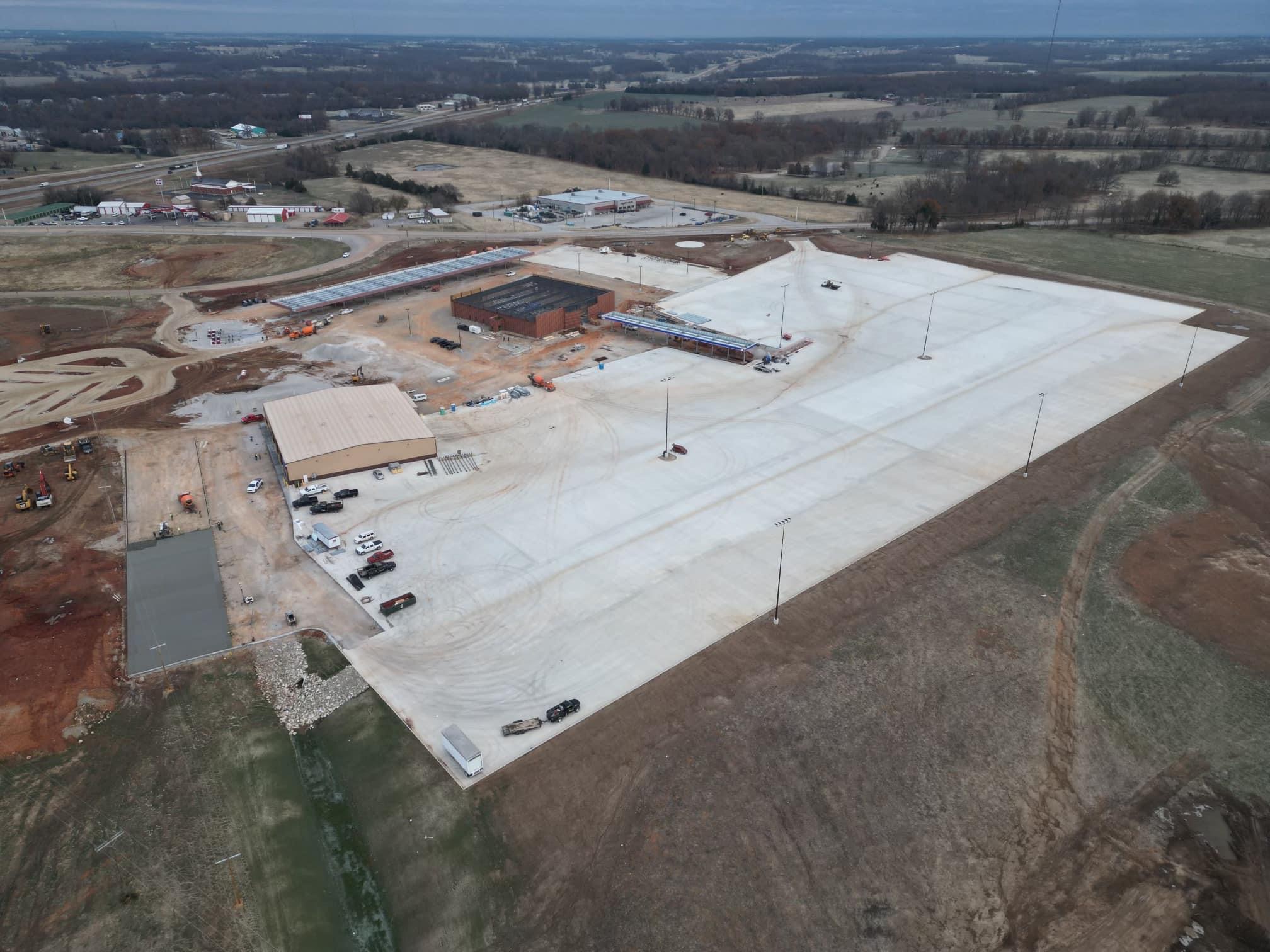
Understanding Load Requirements: Why Every Commercial Concrete Project Needs a Different Approach
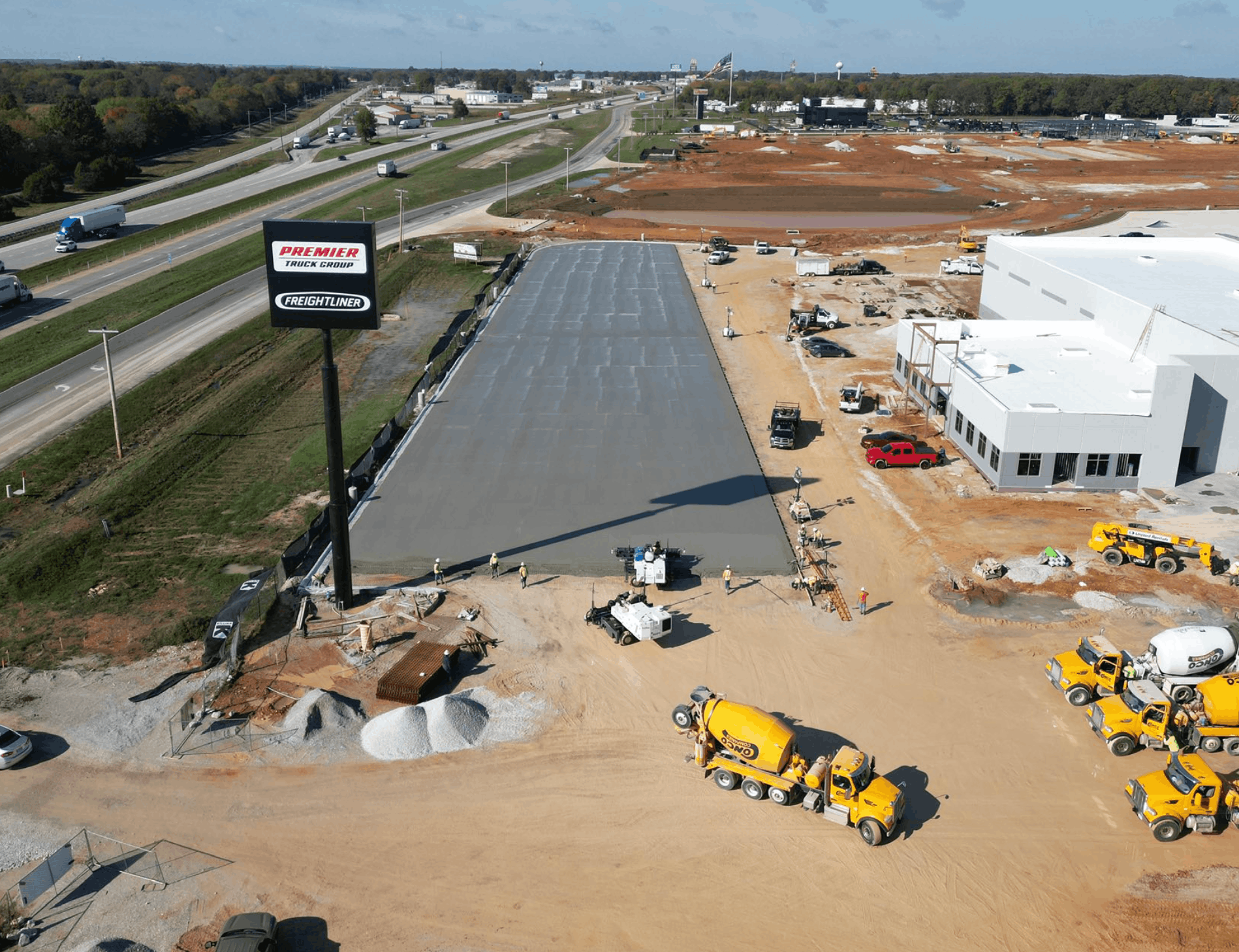
Understanding Load Requirements: Why Every Commercial Concrete Project Needs a Different Approach
For many commercial property owners and developers, concrete may seem like a standardized material. A slab is a slab, and a parking lot is a parking lot. In reality, commercial concrete design varies significantly depending on how the surface will be used.
Load requirements play a central role in determining how concrete is designed, reinforced, and installed. When these requirements are properly accounted for, concrete performs reliably for decades. When they are underestimated, surfaces can crack, settle, or fail much earlier than expected.
In markets like Springfield, Missouri, where commercial properties range from retail centers to industrial facilities, understanding load demands is essential. For those working with experienced contractors such as Meyer Construction, proper planning ensures that each project is built to match its intended use.
Why Load Requirements Matter in Commercial Concrete
Concrete is designed to handle weight, but not all loads are equal. The stress placed on a surface depends on both the amount of weight and how that weight is applied.
For example, a passenger vehicle distributes weight differently than a fully loaded delivery truck. Repeated heavy loads in concentrated areas create significantly more stress than occasional light traffic spread across a surface.
If concrete is not designed for the loads it will carry, several problems can develop:
- Cracking due to excessive stress
- Surface fatigue from repeated traffic cycles
- Subbase failure leading to settlement
- Shortened lifespan of the entire installation
Understanding load requirements allows contractors to adjust thickness, reinforcement, and base preparation to match real world conditions.
Light Duty vs. Heavy Duty Concrete Applications
One of the most important distinctions in commercial concrete is the difference between light duty and heavy duty applications.
Light Duty Applications
Light duty concrete is designed for areas with minimal weight and limited traffic.
Common examples include:
- Retail parking spaces for passenger vehicles
- Sidewalks and pedestrian walkways
- Office building parking areas with low traffic volume
These surfaces typically experience:
- Lower weight loads
- Less frequent traffic cycles
- Minimal impact stress
Because of this, they generally require thinner slabs and less reinforcement.
Heavy Duty Applications
Heavy duty concrete is built for environments where weight and frequency of use are significantly higher.
Examples include:
- Loading docks and delivery zones
- Industrial facilities with heavy equipment
- Warehouse floors with constant forklift traffic
- Truck routes and service lanes
These applications involve:
- High weight loads from trucks and equipment
- Repeated stress in the same areas
- Greater potential for impact and abrasion
As a result, heavy duty concrete requires increased thickness, stronger reinforcement, and more robust subbase preparation.
How Traffic and Usage Affect Concrete Design
Beyond basic categories, the specific way a surface is used plays a major role in determining design requirements.
Key usage factors include:
- Frequency of traffic, whether occasional or constant
- Type of vehicles, including passenger cars, delivery trucks, or industrial equipment
- Turning movements that create additional stress on the surface
- Concentrated load zones such as entrances, loading docks, and drive lanes
For example, a retail parking lot may appear similar to a distribution center lot, but the demands are very different. Retail traffic is lighter and more distributed, while industrial traffic often involves repeated heavy loads in defined paths.
Designing concrete without considering these usage patterns can lead to premature wear, even if the material itself meets general standards.
The Importance of Concrete Thickness
Concrete thickness is one of the most visible differences between light duty and heavy duty applications. Thicker slabs are better able to distribute loads and resist cracking under stress.
Typical considerations when determining thickness include:
- Expected vehicle weight and frequency
- Subbase strength and stability
- Environmental conditions such as soil movement
If thickness is insufficient for the intended use, the slab may flex under load. Over time, this leads to cracking and structural deterioration.
While increasing thickness adds upfront cost, it significantly improves long term performance and reduces maintenance needs.
Reinforcement Options: Rebar vs. Fiber
Reinforcement is another critical component in commercial concrete design. It helps control cracking, improve strength, and extend the lifespan of the slab.
Two common reinforcement methods are rebar and fiber.
Rebar Reinforcement
Rebar consists of steel bars placed within the concrete to provide structural support.
Benefits include:
- High tensile strength
- Improved load distribution
- Greater resistance to large scale cracking
Rebar is often used in heavy duty applications where structural performance is critical.
Fiber Reinforcement
Fiber reinforcement involves adding small fibers to the concrete mix.
Advantages include:
- Enhanced crack control throughout the slab
- Reduced shrinkage cracking
- More uniform reinforcement distribution
Fiber is often used in combination with or as an alternative to rebar, depending on the application.
Choosing the Right Approach
The decision between rebar and fiber depends on several factors:
- Load requirements
- Slab thickness
- Project budget
- Performance expectations
In many commercial projects, a combination of both methods provides the best results.
Real World Examples: Different Properties, Different Needs
Understanding load requirements becomes clearer when comparing real world applications.
Retail Shopping Centers
Retail parking lots are designed for:
- Passenger vehicles
- Moderate traffic flow
- Distributed weight loads
These projects typically use lighter duty concrete with standard thickness and reinforcement.
Warehouses and Distribution Centers
These facilities must support:
- Heavy truck traffic
- Frequent loading and unloading
- Continuous equipment movement
Concrete design must account for repeated stress, requiring thicker slabs and stronger reinforcement.
Industrial Facilities
Industrial environments often involve:
- Heavy machinery
- High impact loads
- Chemical exposure
Concrete in these settings must be designed for durability under extreme conditions, often exceeding standard commercial requirements.
The Role of Subbase Preparation
Even the strongest concrete will fail if the subbase beneath it is not properly prepared. The subbase provides the support needed to distribute loads evenly.
Key elements of proper subbase preparation include:
- Soil evaluation to determine stability
- Use of appropriate base materials
- Proper compaction to prevent settlement
- Drainage considerations to control moisture
In Springfield, Missouri, clay-heavy soils can complicate subbase performance. These soils expand when wet and contract when dry, creating movement beneath the slab.
Addressing these conditions during construction is essential for long term durability.
Consequences of Underestimating Load Requirements
When load requirements are not properly considered, the results often appear within a few years of installation.
Common consequences include:
- Early cracking and joint failure
- Surface deformation under heavy loads
- Increased maintenance and repair costs
- Premature need for partial or full replacement
For property owners, these issues represent both financial and operational challenges. Repairs can disrupt business activity and reduce the overall value of the property.
Balancing Cost and Performance
One of the most common questions property owners face is how to balance upfront construction costs with long term performance.
It may be tempting to reduce thickness or reinforcement to save money initially. However, this approach often leads to higher costs over time due to repairs and reduced lifespan.
Investing in the correct design from the start provides:
- Greater durability under real world conditions
- Lower maintenance requirements
- Improved safety and performance
- Better return on investment over the life of the concrete
For commercial projects, designing for actual use rather than minimum standards is the more cost effective strategy.
How Meyer Construction Designs for Real World Use
Experienced contractors understand that no two commercial projects are the same. Each site requires a tailored approach based on its specific demands.
Meyer Construction evaluates:
- Expected traffic patterns and load intensity
- Soil conditions and site characteristics
- Functional requirements of the property
- Long term performance goals
By aligning design decisions with real world usage, they help ensure that concrete installations meet both immediate needs and future demands.
Final Thoughts
Not all concrete is built the same, and understanding load requirements is essential for any commercial project. From light duty retail spaces to heavy duty industrial facilities, each application requires a different approach to thickness, reinforcement, and subbase preparation.
For property owners and developers in Springfield, Missouri, taking the time to plan for actual usage conditions can prevent costly issues down the road.
Working with experienced contractors such as Meyer Construction ensures that commercial concrete is designed to handle the demands it will face, providing long term durability, safety, and value.